



How Rising Gold Prices Affect Your Personal Finance
Rising gold prices personal finance is a growing concern for families and investors in 2026. Gold has long been considered one of the safest and most reliable forms of wealth. From ancient civilizations to modern investors, it has been a symbol of security, prosperity, and financial stability. In India, gold is not only a cultural and emotional asset but also a major component of personal savings and investment strategies. However, as gold prices continue to rise, it becomes increasingly important to understand how this trend impacts your personal finances and the decisions you make.
Understanding the Rise in Gold Prices
Understanding how rising gold prices personal finance affects your investments helps you plan smarter. Gold prices are influenced by a variety of global and domestic factors. Geopolitical tensions, currency fluctuations, inflation rates, central bank policies, and market demand all play a role in determining the value of gold. Over the past few years, rising inflation and economic uncertainties have pushed investors toward gold as a safe haven. The global demand for gold jewelry, technology, and investments has kept prices elevated, while supply constraints in key mining countries have also contributed to the upward trend.
For individuals, understanding these dynamics is crucial. When gold prices increase, the cost of buying gold for personal use, gifts, or jewelry rises as well. This affects everyday financial planning, particularly in societies like India where gold plays a cultural and ceremonial role.
Impact on Personal Savings
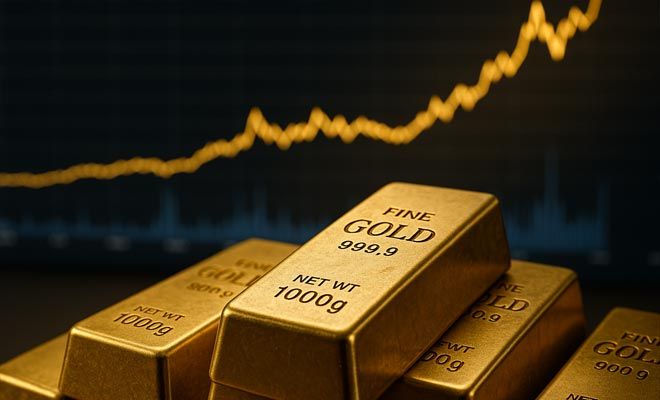
Rising gold prices can have both positive and negative effects on personal savings. On the positive side, if you already own gold, its value appreciates with price increases, boosting your overall net worth. For investors who hold physical gold, coins, bars, or jewelry, this means your assets are potentially more valuable today than when you bought them.
On the downside, higher gold prices make it more expensive to accumulate new gold. For families saving for weddings, festivals, or traditional ceremonies, this can increase the financial burden. If a portion of your savings is consistently allocated toward buying gold, rising prices may require adjustments in your budget or a longer time horizon to meet your goals. High gold prices directly influence how families approach their savings and personal finance
Effect on Investment Strategies
Gold is often included in investment portfolios as a hedge against inflation and economic uncertainty. Rising gold prices impact how you should structure your investments. For instance, if gold has appreciated significantly, it may now represent a larger portion of your portfolio than intended, potentially increasing risk exposure if market corrections occur.
Investors may need to rebalance their portfolios to maintain diversification. Selling a portion of gold holdings at a high price and reinvesting in other assets like equities, bonds, or mutual funds can help manage risk while taking advantage of gold’s appreciation. Similarly, gold-based financial products like Gold ETFs or Sovereign Gold Bonds offer alternatives that allow for flexible investment without the need to hold physical gold.
Influence on Spending and Lifestyle
Gold is not just an investment; it is often purchased for cultural and emotional reasons. Rising prices can affect lifestyle choices and purchasing habits. For example, higher gold rates may lead to delays in buying jewelry or opting for smaller, simpler designs. In some cases, families may choose to adjust wedding budgets or festival spending to accommodate the increased cost of gold.
Even gifting trends can be influenced. During occasions like weddings or festivals, when gold is traditionally given as a gift, higher prices may encourage alternatives such as cash, gift cards, or smaller quantities of gold. These adjustments, while minor in individual transactions, can add up across households and communities, influencing broader spending patterns.
Planning for Future Gold Purchases
With gold prices constantly on the rise, forward planning becomes essential. Tracking market trends, understanding historical price movements, and consulting financial advisors can help individuals make informed decisions. One effective strategy is to purchase gold gradually through methods like Gold SIPs (Systematic Investment Plans), which allow for regular, smaller investments over time, reducing the impact of short-term price volatility.
Another approach is to diversify between physical gold and financial gold products. While jewelry holds cultural significance, Sovereign Gold Bonds or Gold ETFs may provide higher returns, liquidity, and tax benefits. This diversification allows individuals to enjoy both the sentimental value and financial advantages of gold ownership. Investors monitoring rising gold prices personal finance can adjust their strategies accordingly.
Tax Implications of Rising Gold Prices
Higher gold prices also influence taxation and capital gains considerations. When selling gold that has appreciated significantly, you may be subject to long-term capital gains tax if held for more than three years. Understanding these tax implications is essential to avoid surprises and plan transactions strategically.
Financial advisors often recommend maintaining proper documentation of gold purchases, including receipts and certificates. This ensures that any gains realized from rising gold prices can be accounted for correctly, reducing tax liabilities and avoiding legal issues.
Psychological and Emotional Effects
Gold is unique in that it carries both financial and emotional value. Rising prices can influence emotional decisions, sometimes leading to impulsive purchases or sales driven by fear of missing out. While it may be tempting to buy gold as prices rise, disciplined planning and adherence to a long-term strategy are crucial.
Similarly, high gold prices can create stress for families trying to meet traditional obligations or gift-giving expectations. Awareness of the financial impact and setting realistic goals can help mitigate these pressures, allowing gold to serve its purpose as a secure and rewarding asset rather than a source of anxiety. Keeping track of rising gold prices personal finance trends ensures better financial decisions
Conclusion
Rising gold prices have a multi-dimensional impact on personal finance. From boosting the value of existing holdings to increasing the cost of new purchases, every individual is affected differently based on their financial habits, cultural practices, and investment strategies. By understanding market trends, planning purchases carefully, maintaining portfolio balance, and considering both financial and emotional factors, individuals can navigate the rising gold market effectively.
Gold continues to be a trusted asset, combining financial security with cultural significance. In 2025 and beyond, staying informed and making strategic decisions will help you maximize the benefits of rising gold prices while minimizing potential challenges. Thoughtful planning ensures that gold remains not just a symbol of wealth, but a practical and valuable component of personal finance.