



Mindfulness and Technology: The Next Era of Mental Health Support
Mindfulness and technology are transforming the way people approach mental health support in today’s digital world. What was once a private struggle is now a global priority, openly discussed in workplaces, schools, and digital spaces. As stress, anxiety, and burnout rise alongside fast-paced modern lifestyles, people are searching for effective, accessible ways to support their mental well-being. At the center of this shift is a powerful convergence: mindfulness meets technology. Mindfulness and technology together are creating new possibilities for accessible and personalized mental health support.
This fusion is shaping the next era of mental health support—one that blends ancient practices of awareness and presence with cutting-edge digital innovation. From meditation apps to AI-driven therapy platforms, technology is redefining how mindfulness is practiced, accessed, and personalized.
The Growing Need for Modern Mental Health Solutions
Today’s world is more connected than ever, yet many individuals feel overwhelmed, distracted, and emotionally exhausted. Constant notifications, information overload, and blurred boundaries between work and personal life contribute to chronic stress. Traditional mental health care, while essential, often faces barriers such as cost, stigma, long waiting periods, and limited availability.
Technology-enabled mindfulness tools are stepping in to bridge this gap. They provide on-demand support, reduce entry barriers, and allow people to integrate mental wellness into their daily routines—anytime and anywhere.
How Mindfulness and Technology Are Transforming Mental Health Support
Mindfulness has its roots in ancient traditions, emphasizing present-moment awareness, breath control, and emotional regulation. Technology doesn’t replace these principles; instead, it enhances their reach and effectiveness.
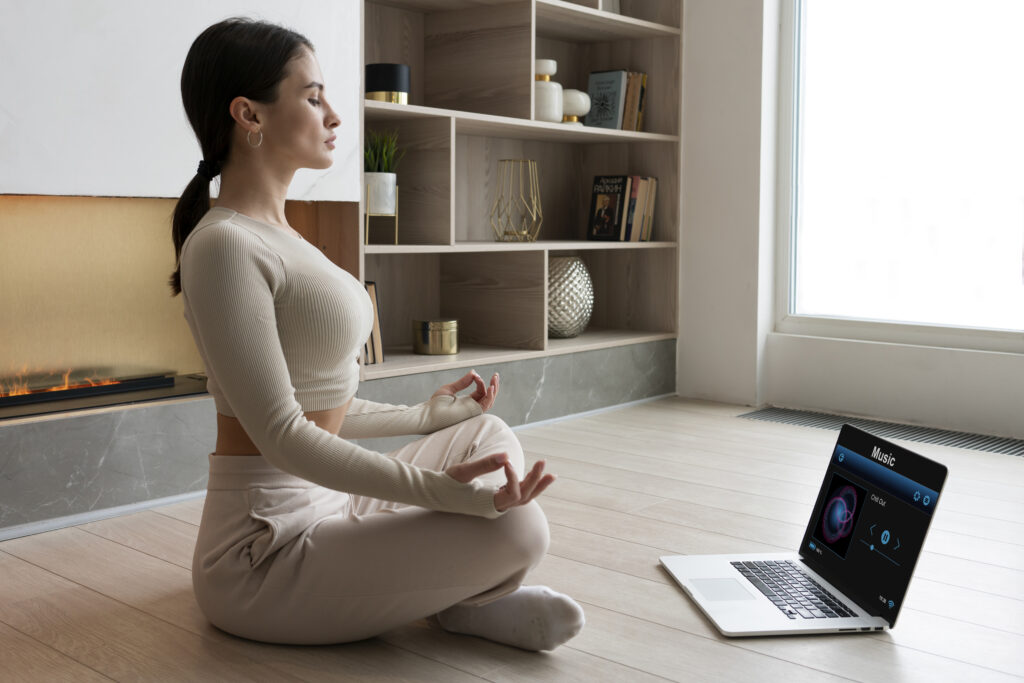
Mobile apps offer guided meditations, breathing exercises, sleep stories, and stress-relief techniques tailored to different needs. Wearable devices track heart rate variability, stress levels, and sleep patterns, helping users understand how their mental state affects their physical health.
By combining mindfulness with data insights, technology allows individuals to move from reactive stress management to proactive mental well-being.
AI and Personalized Mental Health Support
One of the most transformative developments in this space is artificial intelligence. AI-powered platforms can analyze user behavior, mood patterns, and engagement levels to deliver personalized mindfulness recommendations.
For example, if a user shows signs of increased stress or disrupted sleep, an app may suggest short grounding exercises, calming audio sessions, or digital check-ins. Some platforms even use conversational AI to provide immediate emotional support, helping users process feelings when human help is unavailable.
While AI is not a replacement for professional therapy, it acts as a valuable supplement—especially for early intervention and daily mental health maintenance. The combination of mindfulness and technology allows individuals to manage stress, anxiety and emotional well-being more effectively in daily life.
Virtual Therapy and Digital Counseling Platforms
Teletherapy has gained widespread acceptance, making mental health professionals more accessible than ever before. Video sessions, chat-based counseling, and hybrid care models allow individuals to seek help in environments where they feel safe and comfortable.
Mindfulness-based therapy techniques are often integrated into these platforms, combining cognitive behavioral approaches with meditation, journaling, and stress-reduction practices. This blended model supports both emotional awareness and practical coping strategies.
Digital counseling also reduces stigma, encouraging more people to seek help before mental health challenges escalate.
Wearables and Biofeedback for Mindful Awareness
Wearable technology plays a crucial role in the next era of mental health support. Smartwatches and wellness trackers monitor physiological signals such as heart rate, breathing patterns, and sleep quality. These metrics provide real-time feedback, helping users recognize stress responses as they happen. By blending mindfulness and technology, modern mental health solutions are becoming more proactive rather than reactive.
Biofeedback tools guide users through breathing exercises or mindfulness sessions when elevated stress is detected. This real-time awareness strengthens the mind-body connection and empowers individuals to respond intentionally rather than react impulsively.
Over time, users develop a deeper understanding of their mental patterns and triggers, fostering long-term emotional resilience.
Virtual Reality and Immersive Mindfulness Experiences
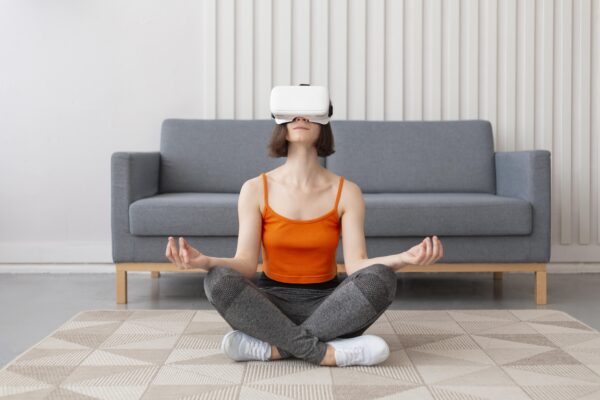
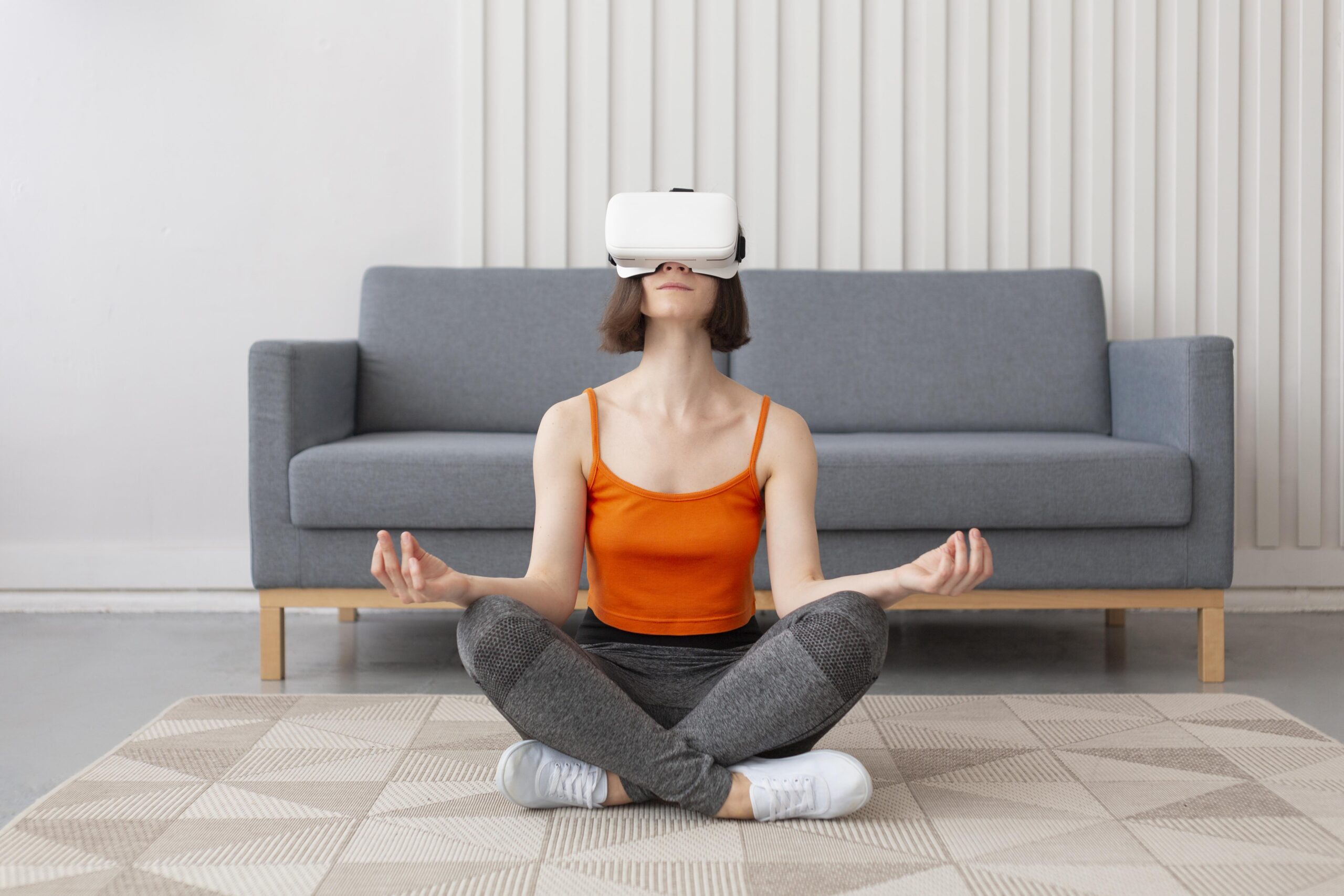
Virtual reality (VR) is opening new possibilities for mindfulness and mental health therapy. Immersive environments—such as calming forests, beaches, or guided visualization spaces—help users disconnect from external stressors and fully engage in mindfulness practices.
VR-based mindfulness is particularly effective for individuals who struggle with traditional meditation techniques. It enhances focus, reduces intrusive thoughts, and creates a sense of presence that supports relaxation and emotional regulation.
In therapeutic settings, VR is also being explored for anxiety management, trauma recovery, and stress reduction programs.
Mindfulness in the Workplace and Daily Life
As burnout becomes a growing concern, organizations are embracing technology-driven mindfulness programs to support employee well-being. Digital wellness platforms offer short mindfulness breaks, stress assessments, and guided exercises designed for busy schedules.
By integrating mindfulness technology into work environments, companies promote mental clarity, productivity, and emotional balance. Employees benefit from accessible tools that help manage stress without disrupting their workflow.
Beyond the workplace, mindfulness technology seamlessly fits into daily routines—during commutes, before sleep, or between tasks—making mental health care a consistent practice rather than an occasional effort.
Ethical Considerations and Human Connection
While technology offers powerful tools, ethical considerations remain essential. Data privacy, emotional safety, and responsible AI use must be prioritized. Mental health technology should complement—not replace—human empathy and professional care.
The most effective platforms are those that combine technological efficiency with compassionate design, encouraging users to seek human support when needed and fostering a balanced approach to mental wellness.
The Future of Mindfulness and Mental Health Support
The next era of mental health support is holistic, personalized and accessible. As mindfulness meets technology, individuals gain greater control over their mental well-being through tools that adapt to their unique needs and lifestyles.
This evolution represents a shift from crisis-driven care to preventive, daily mental wellness. By integrating mindful awareness with intelligent technology, society is redefining how mental health is supported—making it proactive, inclusive and deeply human.
In the future, mental well-being won’t be an afterthought. It will be seamlessly woven into how we live, work and connect—with mindfulness and technology guiding the way. Mindfulness and technology are no longer separate concepts but interconnected pillars of modern mental health care.
As mindfulness and technology continue to evolve together, they will shape the future of emotional well-being worldwide.